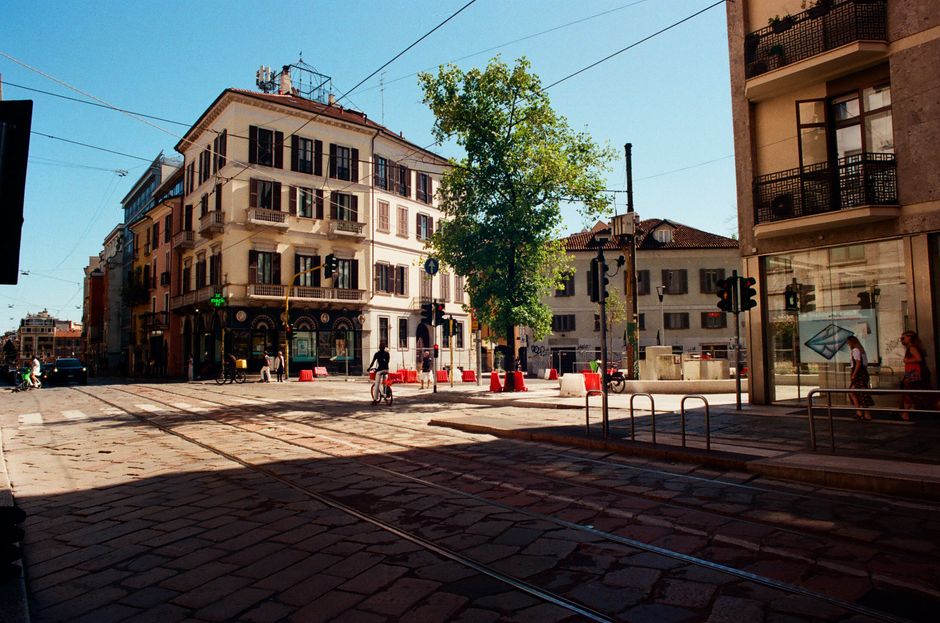
Walk through Navigli on a Friday evening and you'll witness something increasingly rare in major global cities: spontaneous, intergenerational congregation. Locals spill from wine bars onto cobblestone streets, families occupy benches along the Naviglio Grande and Naviglio Pavese canals, and the entire neighbourhood operates less like a commercial zone and more like an extended living room. This isn't carefully curated. It simply happens, night after night.
That organic sense of community—where neighbourhood identity matters as much as corporate branding—is what genuinely distinguishes Milan from London, New York, or even Barcelona. While those cities have certainly cultivated their own distinct personalities, Milan has managed something trickier: maintaining deeply rooted local character whilst remaining a global fashion, design, and finance capital.
Consider Isola, the neighbourhood north of Garibaldi. A decade ago, it was industrial wasteland. Today it's Milan's most coveted address, yet it hasn't gentrified into soullessness. Independent bookshops sit alongside galleries. The Vegan Society Italia runs community dinners on Via Volta. Design studios occupy converted factories. Young creatives, families, and established residents genuinely coexist here—not as competing demographics, but as neighbours who frequent the same neighbourhood spots.
The Zona Tortona tells another story: once purely industrial, now a weekend destination for design enthusiasts, yet the Friday night Aperitivo culture means it belongs to locals first, tourists second. Compare this to Miami's Design District or London's Shoreditch—areas that have become lifestyle destinations primarily for outsiders.
Even pricing reflects this philosophy. While a one-bedroom apartment in central Milan averages €450,000 to €550,000, neighbourhood associations actively oppose developments that would fundamentally alter local character. The Residents' Association of Brera, established in 1968, still meets monthly. Such civic engagement feels almost quaint globally.
What makes Milan unique isn't perfection. Pollution remains a challenge; commute times can be brutal; housing costs continue rising. Rather, it's that Milan's neighbourhoods—from the bohemian lanes of Brera to the working-class vitality of Porta Romana—have resisted the homogenisation that has flattened so many global cities into Instagram backdrops and corporate safe spaces.
The city has learned what wealthier global counterparts haven't quite grasped: authentic neighbourhoods can't be manufactured through investment alone. They require time, local stewardship, and the unglamorous work of people simply choosing to stay, to know their neighbours, to defend their community's identity against relentless commercialisation. In Milan, that choice is still rewarded.
This article was compiled by AI and screened before publishing. See our editorial standards.