How Milan's Commute Routes Reveal the Soul of Each Neighbourhood
From the tram queues of Navigli to the cycle paths of Isola, getting around the city tells a story of community, identity and local life.
From the tram queues of Navigli to the cycle paths of Isola, getting around the city tells a story of community, identity and local life.
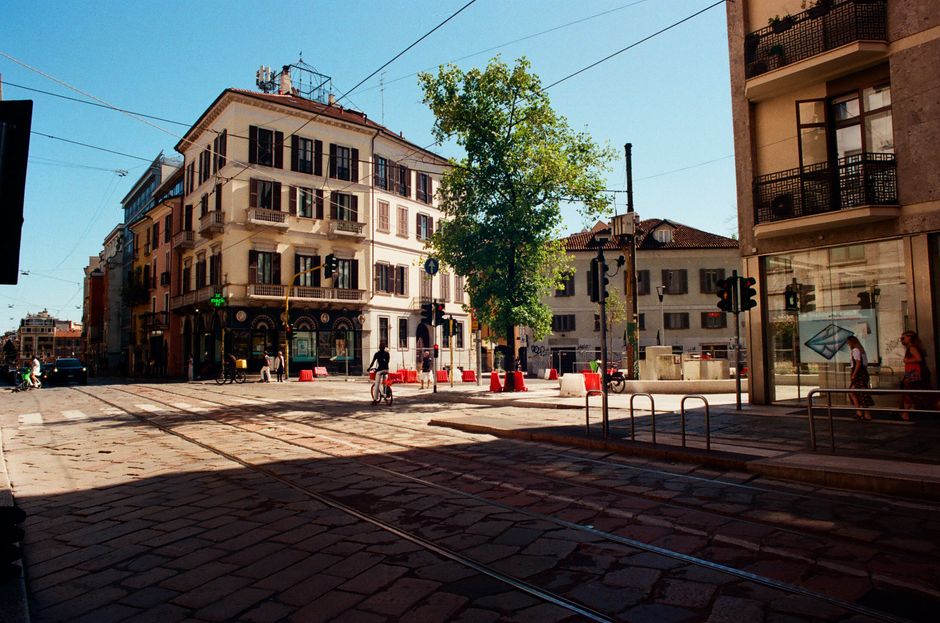
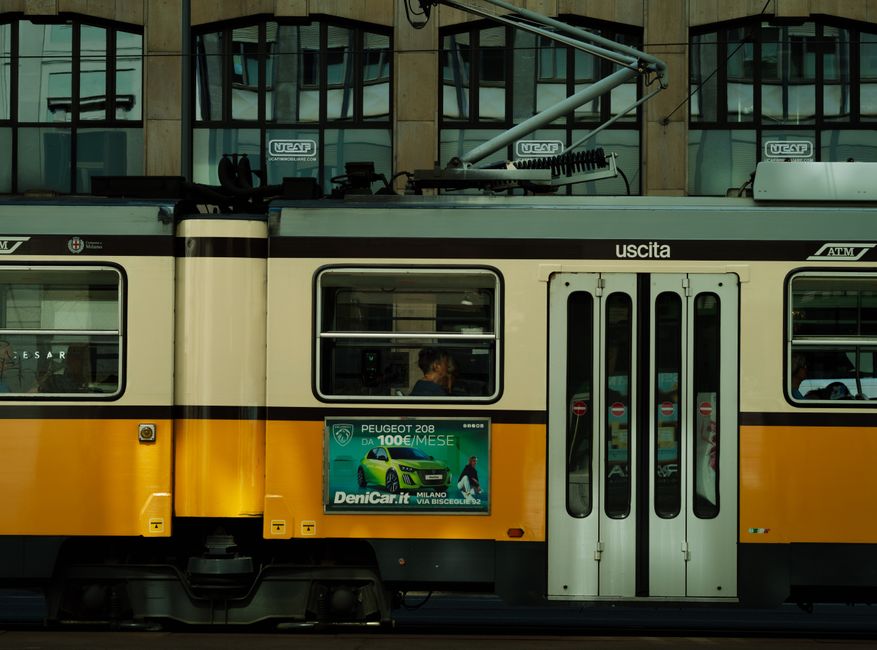
Milan's transport network is far more than a system of efficiency—it's a living map of neighbourhood character. Step onto the Number 1 tram threading through the Navigli district on any weekday morning, and you're immersed in a different Milan than the one you'd experience on the underground at Duomo. The tram moves slowly enough to watch the neighbourhood wake up: elderly residents heading to Mercato Comunale for fresh produce, young professionals settling into lakeside cafés, cyclists navigating the century-old cobblestones alongside commuters with cappuccinos in hand.
The Navigli's transport culture reflects its dual identity—equal parts bohemian hub and working-class stronghold. The 15-minute tram journey down Alzaia Naviglio Grande costs €2.10 for a single ticket, making it cheaper than driving but more about the experience than mere transit. Weekend crowds swell as people arrive specifically to linger in the neighbourhood's galleries, vintage shops and aperitivo venues. The transport isn't rushed; it's part of the destination.
Cross the city to Isola—the neighbourhood north of Garibaldi station that's undergone radical transformation over the past decade—and the commute tells a different story entirely. Here, the newly expanded cycle network has become the neighbourhood's nervous system. The dedicated bike lanes connecting Isola to the Parco Nord and beyond carry a younger demographic: startup workers, designers, university students. The €250 annual bike pass for ATM's bike-sharing scheme appeals to locals who've chosen this neighbourhood precisely because it's accessible without a car.
Meanwhile, the southern neighbourhoods around Porta Romana present yet another character. The tram lines here serve long-established communities where multi-generational families still live. The 24 tram, rattling between Porta Romana and Piazzale Aquileia, passes neighbourhood hubs—the parish churches, small grocers, pensioner social clubs—that define local social bonds more than any commercial venue.
What makes Milan's transport culture distinctive is how intimately it connects to neighbourhood identity. The suburban train network reaching Monza or Como carries weekend adventurers, while the underground's sterile efficiency serves a different purpose entirely. At €2.10 per journey or €100 for a monthly pass, Milan's transport remains reasonably affordable, yet price tells only part of the story. How residents move through the city—whether via tram, bike, train or metro—fundamentally shapes where they belong, who they encounter, and which Milan they inhabit.
This article was compiled by AI and screened before publishing. See our editorial standards.
How does this story make you feel?
Spread the word
About this article
Published by The Daily Milan
Daily brief
Free, in your inbox before 7am. Weekdays.
More in lifestyle