As average rents in central Milan soar past €900 monthly, officials debate radical zoning reforms and affordable housing mandates to stem displacement.
A new generation of curators and artists is transforming neighbourhoods like Navigli and Isola into spaces where contemporary art belongs to everyone, not just collectors.
A fresh generation of artists, curators and creators in Porta Romana and beyond are challenging how Milan remembers itself—and building heritage for tomorrow.
Local running clubs, cycling collectives, and triathlon groups are transforming neighbourhood communities across Milan, proving that elite athleticism starts at street level.
From Navigli's intimate jazz clubs to Porta Romana's experimental collectives, a new generation of venues is reshaping the city's identity beyond fashion and finance.
As student numbers at the Politecnico and Università Statale soar, chronic shortages of affordable accommodation trace back to funding cuts and policy missteps that began in the 2010s.
As hybrid arrangements become standard across Lombardy's corporate landscape, competition for skilled workers is intensifying in unexpected neighbourhoods—and threatening traditional downtown office clusters.
From the Navigli's vintage treasures to Viale Monza's wholesale secrets, Milan's retail landscape offers a sophistication and access that Paris, New York and Tokyo simply cannot match.
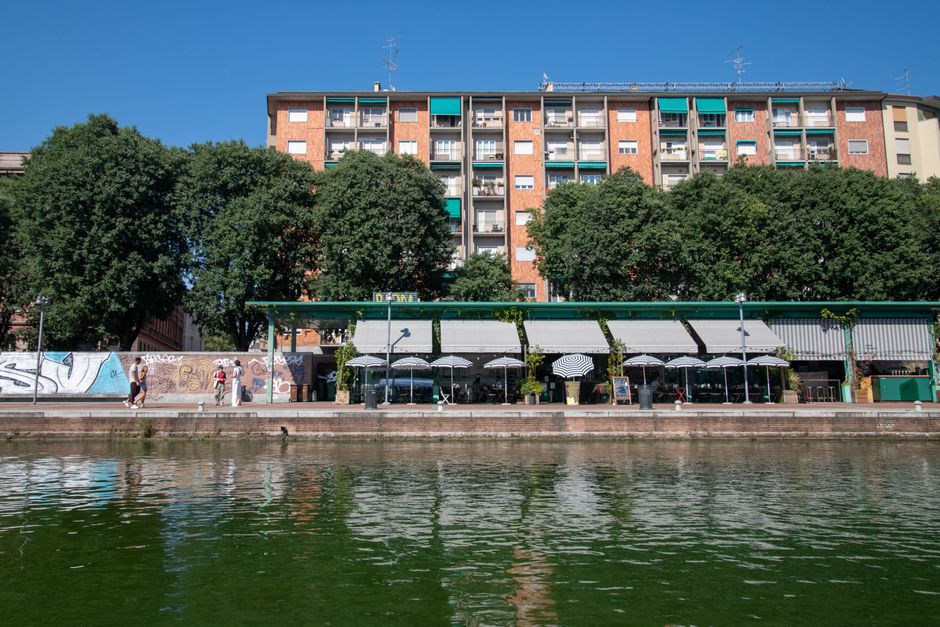
From Navigli canal-side trattorias to Zona Tortona's experimental kitchens, the chefs and entrepreneurs who transformed Milan into a global culinary destination reveal how ambition and authenticity remade the city's food culture.
Community members in Brera and Duomo districts speak out about rising theft and street violence, calling for enhanced police presence and better coordination with local authorities.
Ambitious zoning reforms and tenant protections are transforming Milan's competitive rental sector, with profound implications for landlords and renters across Brera, Navigli and emerging neighbourhoods.
Young curators in Milan are challenging institutional narratives by exploring overlooked histories—from Lambrate labour organizing to queer 1970s Brera scenes.