As global instability ripples through travel patterns, Milan's hospitality sector faces its toughest year in a decade—with bookings down, margins compressed, and the city's reputation as Europe's reliable luxury destination under strain.
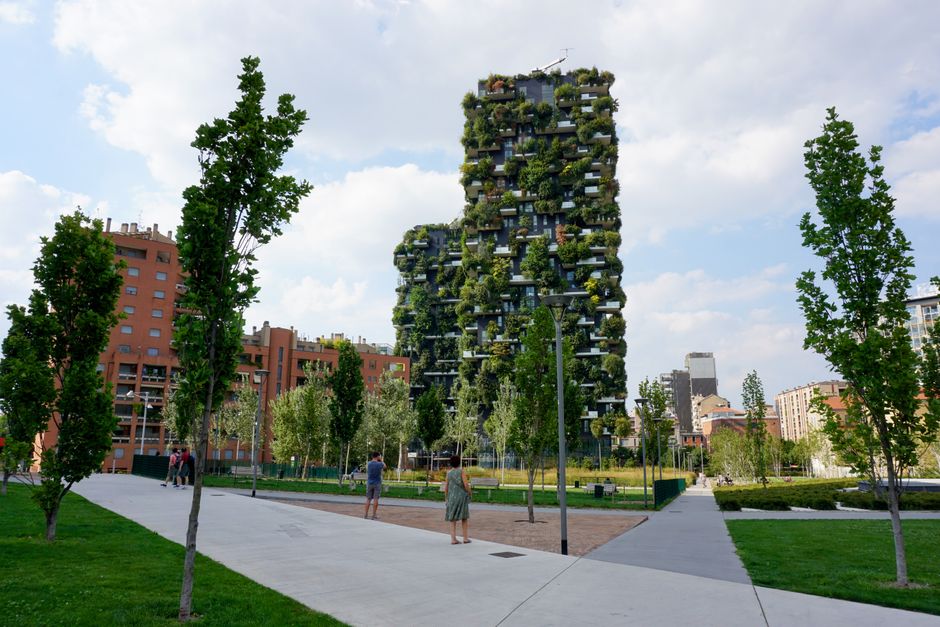
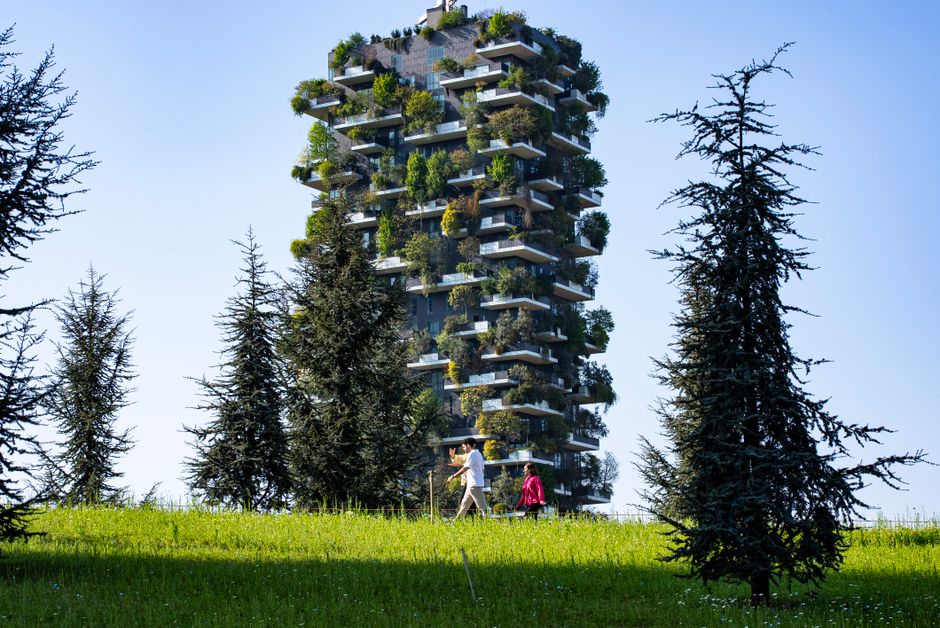
From Sempione's grand boulevards to Navigli's intimate gathering spots, green spaces are where Milan's diverse communities reveal their true character.
While international fashion weeks dominate headlines, a new generation of Milan-based creatives is quietly transforming how clothes are conceived, produced, and distributed—and reshaping the city's creative identity in the process.
As demand for traditional workspace weakens across the city, landlords and investors face a perfect storm of elevated borrowing costs, persistent vacancy rates, and the stubborn reality of hybrid working.
Rising operational costs and volatile currency markets are forcing companies across Lombardy to rethink strategy, even as the Borsa Italiana signals cautious optimism.
As international trade volatility forces companies to relocate operations and rethink staffing, Milan's talent-hungry firms are competing fiercely for supply chain experts, logistics specialists, and multilingual professionals.
Developers and institutional buyers are turning their attention to the historic south Milan neighbourhood, where renovation potential and transport links are driving prices up 12% year-on-year.
As sustainability reshapes consumer habits, the historic Navigli neighbourhood is transforming from bohemian fringe into a carefully curated hub for conscious shopping.
As the city pursues aggressive sustainability targets, experts warn that rapid expansion of clean tech is creating new environmental and social hazards.
Regulatory changes to grant eligibility and planning fast-tracks are reshaping affordability across Isola, Nolo and beyond—creating both barriers and unexpected opportunities for young buyers.
A homegrown startup using predictive algorithms to cut waste and accelerate production is quietly becoming essential to the region's €28 billion luxury sector.