As the city targets carbon neutrality by 2035, its innovative waste management and mobility schemes show promise—but experts say Milan still lags behind Copenhagen and Amsterdam.
As property prices in central neighbourhoods soar past €8,000 per square metre, city planners face a defining moment on affordable housing, regeneration zones, and transport links that will determine whether Milan remains liveable for ordinary residents.
Years of budget constraints and staffing shortages have left the city's fire, police and ambulance services stretched thin—a reality that came into sharp focus this month.
New municipal accounts show a €340 million shortfall in infrastructure spending, with district-level disparities exposing deeper administrative challenges.
As the M4 line nears completion and congestion swells, Milan's infrastructure strategy reveals both progress and persistent challenges compared to peer cities worldwide.
As property values surge and long-standing businesses face closure, residents and community groups must decide whether to resist transformation or shape it.
The city's aging metro system and congested arterial roads trace their problems back to political gridlock and competing visions—now forcing a reckoning.
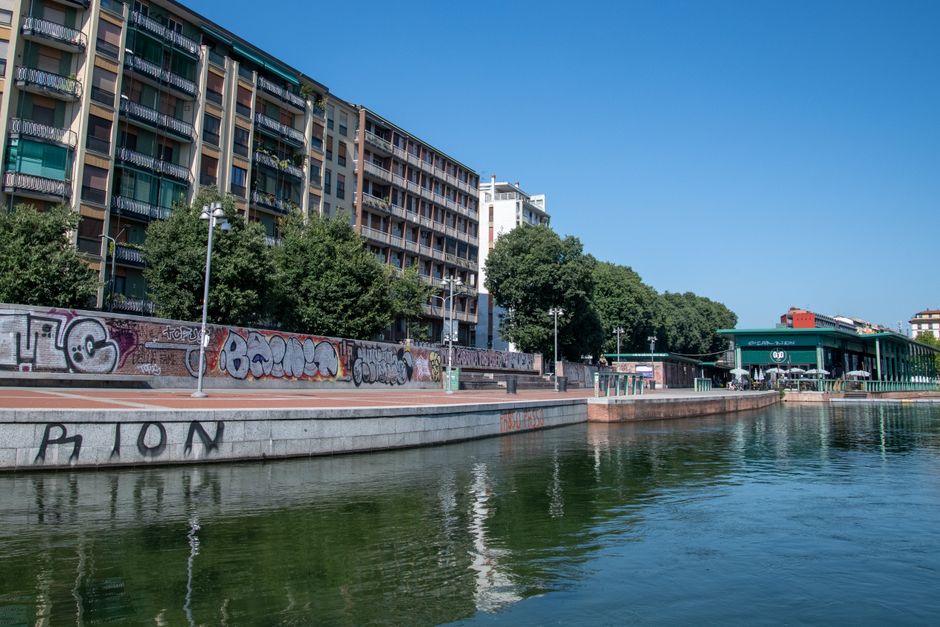
As the comune weighs controversial rezoning decisions across Navigli and Porta Romana, fresh statistics expose the widening gap between Milan's affordability crisis and its development trajectory.
As the city pushes ambitious climate targets, experts say Milan is catching up to peers like Copenhagen and Amsterdam—but faces unique challenges in retrofitting its post-industrial landscape.
As housing costs soar and arrivals increase, officials outline competing visions for how Europe's fashion capital should manage its multicultural transformation.
As City Hall enters its critical decision window, transport reform, housing density and the Navigli waterfront project will define Milan's next decade.
As construction accelerates on the yellow line's extension to Linate Airport, commuters across the city are discovering how better transport connections could transform their neighbourhoods and commute times.
As arrivals plateau and second-generation communities take root, Milan faces critical decisions on affordable housing, labour market access, and civic participation that will shape the city's multicultural future.