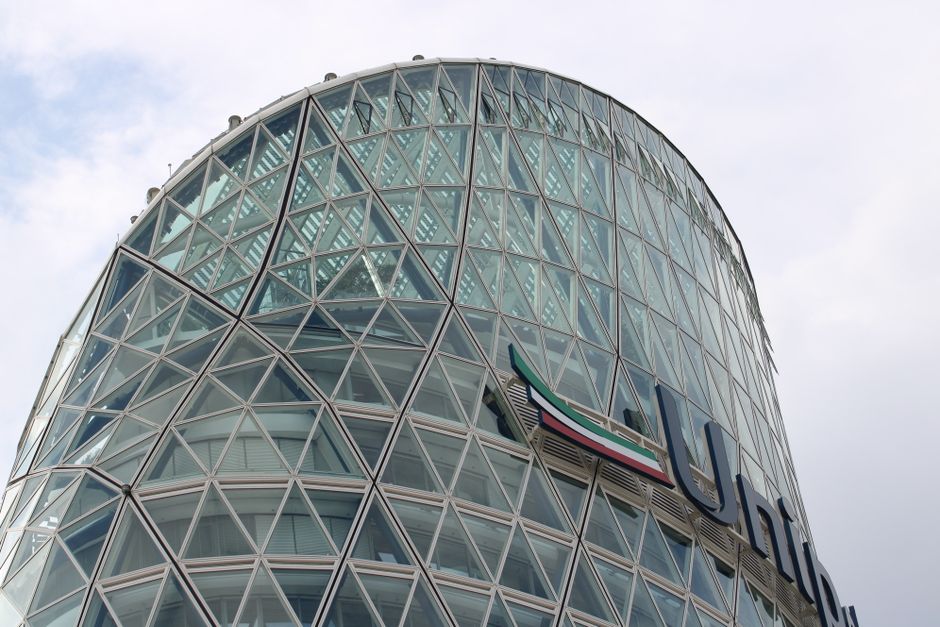
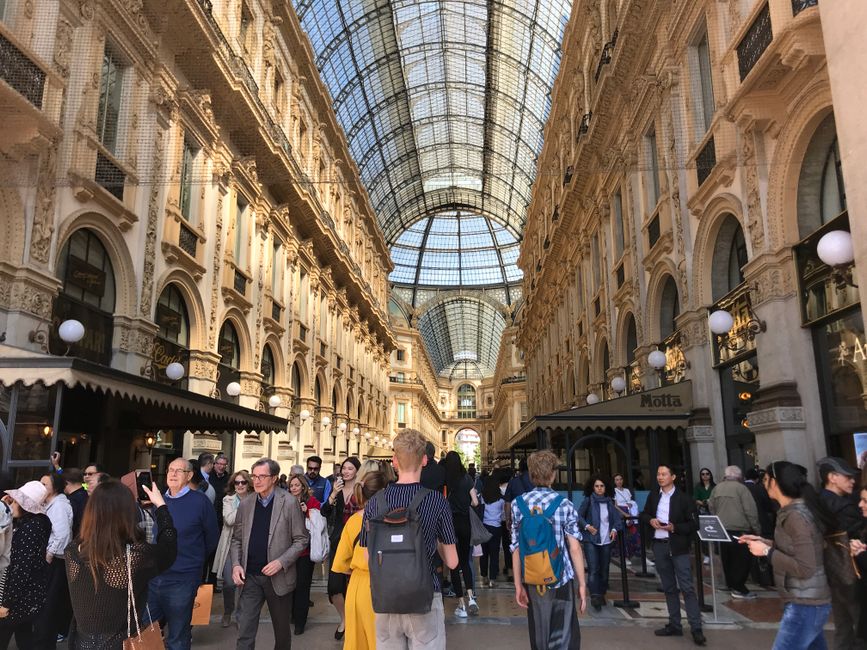
As companies abandon rigid workplace mandates, Milan's job market is fragmenting into competing tiers, threatening the city's traditional downtown employment hubs while spurring unexpected growth in peripheral neighbourhoods.
As the city targets carbon neutrality by 2035, its innovative waste management and mobility schemes show promise—but experts say Milan still lags behind Copenhagen and Amsterdam.
As property prices in central neighbourhoods soar past €8,000 per square metre, city planners face a defining moment on affordable housing, regeneration zones, and transport links that will determine whether Milan remains liveable for ordinary residents.
Years of budget constraints and staffing shortages have left the city's fire, police and ambulance services stretched thin—a reality that came into sharp focus this month.
With visitor numbers climbing and consumer confidence rebounding across Lombardy, independent restaurateurs and boutique hoteliers are capitalizing on gaps left by traditional chains.
As geopolitical tensions reshape global supply chains, Milanese logistics firms and manufacturers are repositioning themselves to capture unprecedented opportunities in emerging Asian markets.
New municipal accounts show a €340 million shortfall in infrastructure spending, with district-level disparities exposing deeper administrative challenges.
As the M4 line nears completion and congestion swells, Milan's infrastructure strategy reveals both progress and persistent challenges compared to peer cities worldwide.
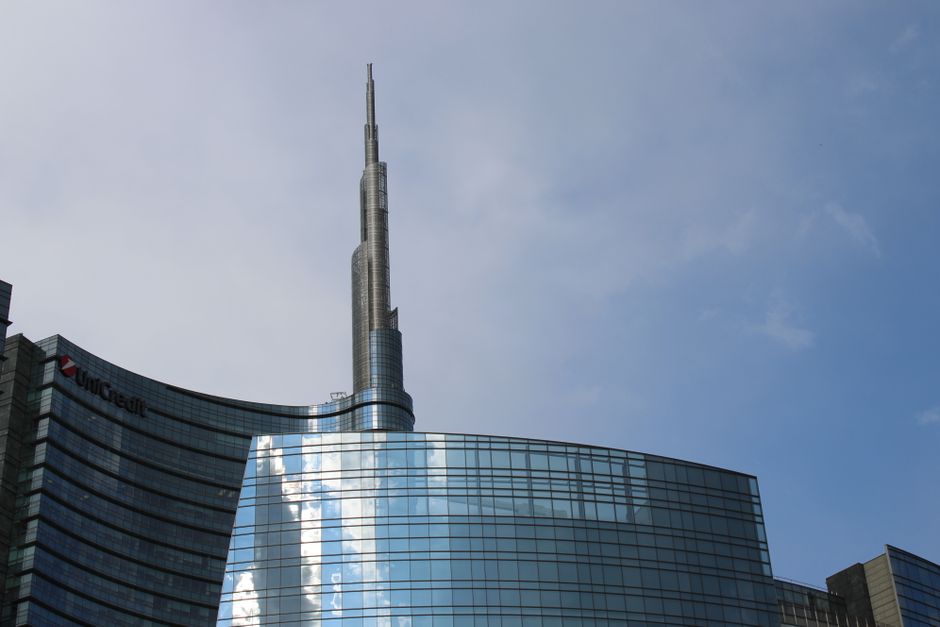
From the apps on your phone to the restaurants you visit, the city's explosive startup growth in Porta Nuova and beyond is reshaping consumer choices faster than you might realize.
From warehouse conversions in Lambrate to intimate galleries in Brera, a new wave of curators and entrepreneurs are reshaping how Milanese experience art.
As commercial property prices plummet and landlords desperately convert offices into apartments, residents need to understand how the post-pandemic shift is reshaping the city.
As property values surge and long-standing businesses face closure, residents and community groups must decide whether to resist transformation or shape it.
The city's aging metro system and congested arterial roads trace their problems back to political gridlock and competing visions—now forcing a reckoning.