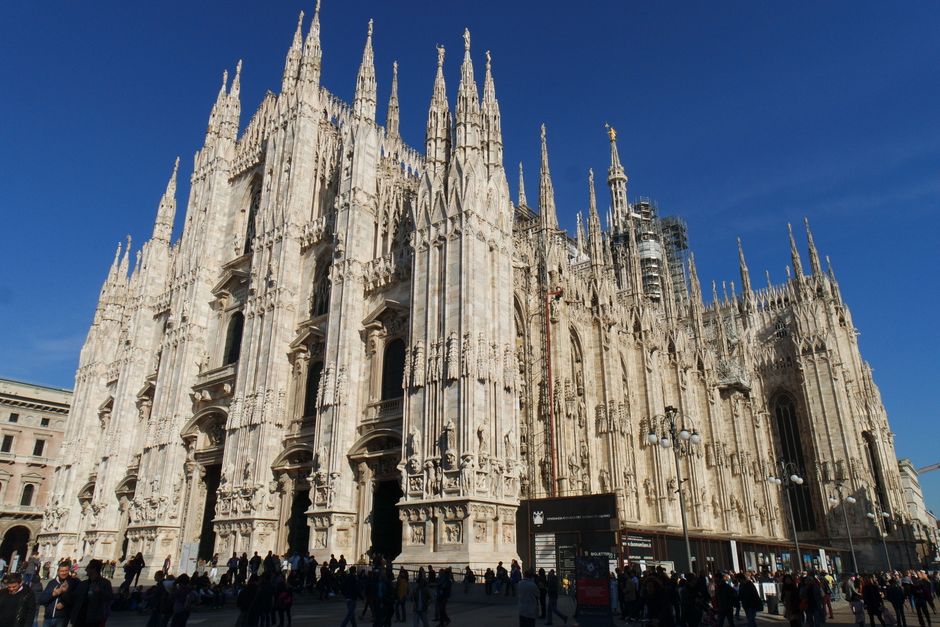
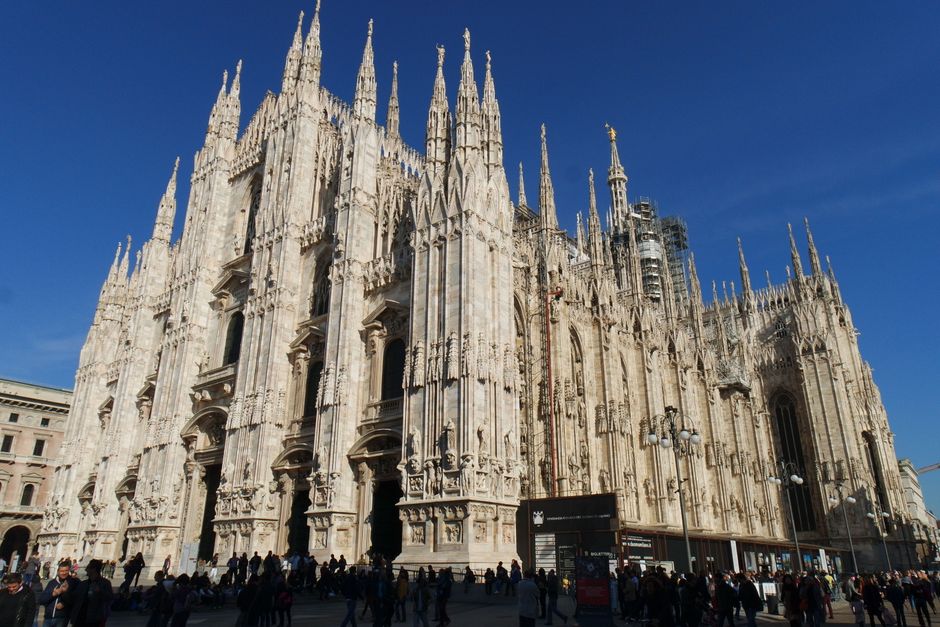
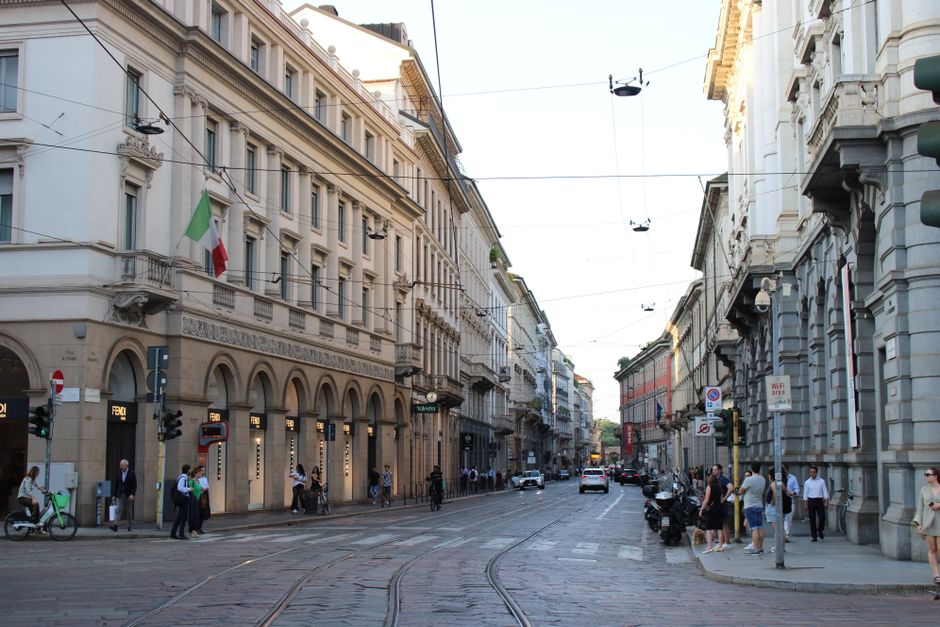
Milan's luxury tourism sector faces unexpected slowdown as geopolitical crises redirect affluent travelers. Hotel occupancy in Duomo district falls to 74%, impacting Milan's hospitality economy.
Multinational firms are shifting regional operations to Milan, boosting demand for finance, tech, and logistics talent amid global supply chain disruptions.
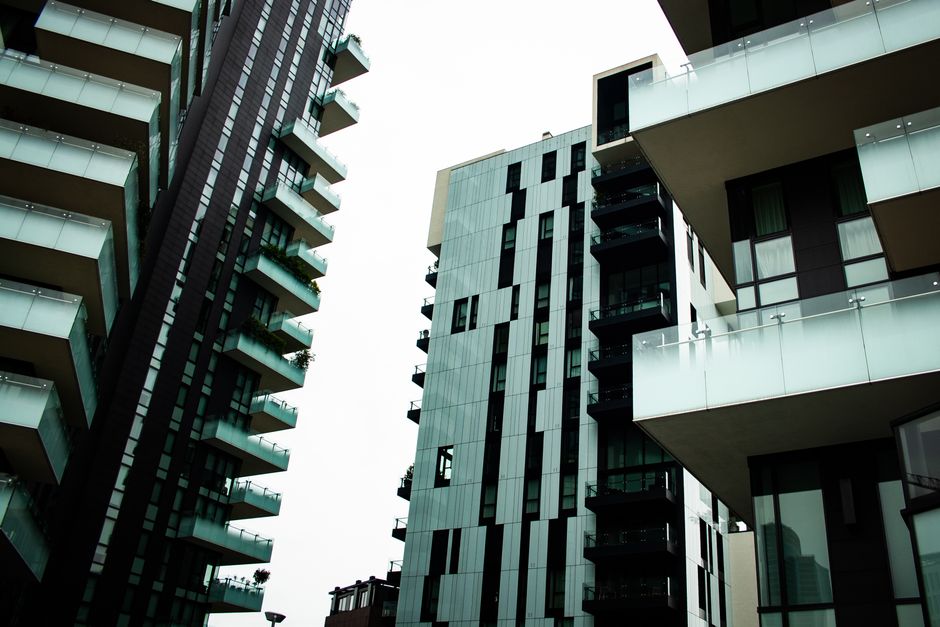
As commercial property reshapes districts from Brera to Porta Nuova, residential renters and homeowners face rising costs and evolving streets—here's what's actually happening.
As hybrid arrangements become standard across Lombardy's corporate landscape, competition for skilled workers is intensifying in unexpected neighbourhoods—and threatening traditional downtown office clusters.
As tech talent reshapes employment across the city's financial district and beyond, Milan's employers face a critical skills shortage and wage pressure.
As visitor numbers surge past pre-pandemic records, the city's hospitality sector is reshaping career paths and wage expectations across neighbourhoods from Brera to Navigli.
Rising hotel occupancy rates and foreign capital commitments reveal how the Lombard capital is capitalising on post-pandemic recovery and positioning itself as Europe's must-visit destination.
As companies abandon rigid workplace mandates, Milan's job market is fragmenting into competing tiers, threatening the city's traditional downtown employment hubs while spurring unexpected growth in peripheral neighbourhoods.
With visitor numbers climbing and consumer confidence rebounding across Lombardy, independent restaurateurs and boutique hoteliers are capitalizing on gaps left by traditional chains.
As geopolitical tensions reshape global supply chains, Milanese logistics firms and manufacturers are repositioning themselves to capture unprecedented opportunities in emerging Asian markets.
From the apps on your phone to the restaurants you visit, the city's explosive startup growth in Porta Nuova and beyond is reshaping consumer choices faster than you might realize.